Getting Back to Jiu-Jitsu with Confidence
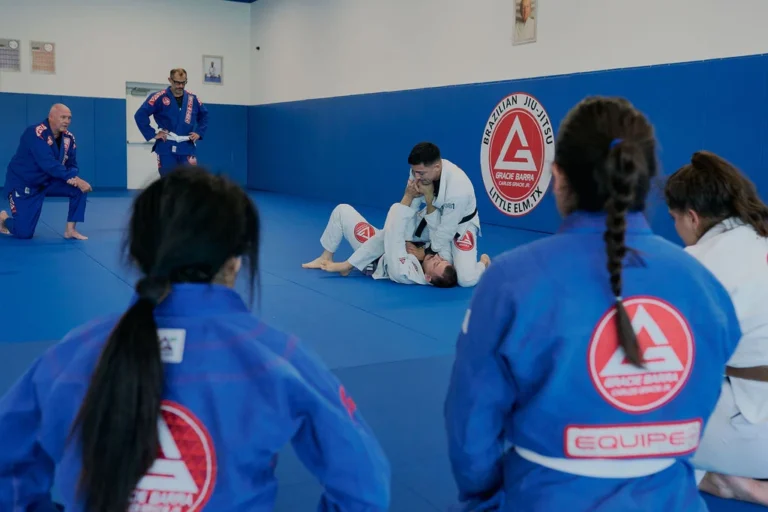
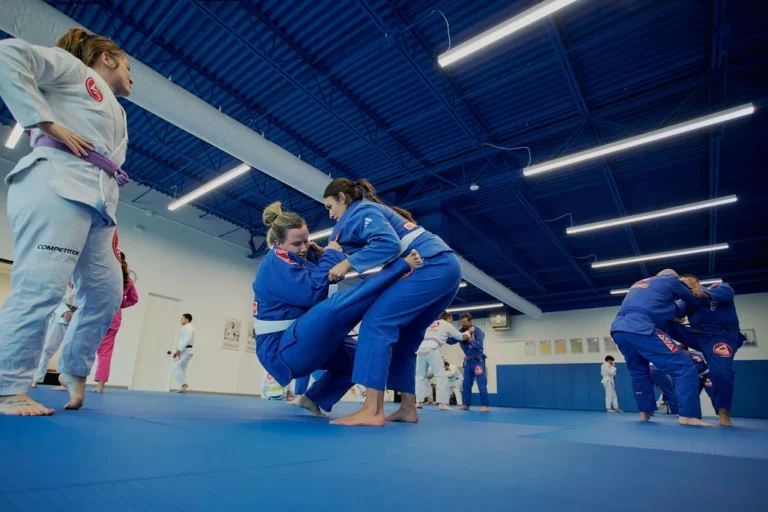
Coming back to Jiu-Jitsu after a few months or even a few years away can feel exciting and a little intimidating. You might miss training while wondering how much you remember or whether you can keep up. For students in Little Elm, Aubrey, and the surrounding area, getting started again begins with showing up and giving yourself time to settle in.
Work, family responsibilities, injuries, and changes in routine can all interrupt training. Whatever kept you away, you can build a routine that fits your life now. The structured Brazilian Jiu-Jitsu programs at Gracie Barra Little Elm give you a place to revisit the basics, ask questions, and work your way back at a manageable pace.

DISCOVER GRACIE BARRA LITTLE ELM
CLICK HEREFinding Your Confidence Again
Your mindset can make a real difference in how those first classes feel. It is easy to compare yourself with the student you were before your break. Give yourself permission to begin where you are today, with room to make mistakes and enjoy learning again.
Adjusting Your Expectations When Returning to Jiu-Jitsu After a Break
You may remember how a technique works but find that your timing feels off or you get tired sooner than expected. That can be frustrating, especially if you used to train regularly. Let your current experience guide your pace instead of expecting everything to feel familiar right away.
Pick a simple goal for each class, such as staying relaxed, practicing an escape, or following the technique from start to finish. Having something specific to work on gives each session a purpose and makes it easier to recognize progress as it happens.
Getting Past Those First-Day Nerves
You might worry about being the least fit person in class, forgetting something basic, or walking into a room full of new faces. Those concerns can make it tempting to put off your return. Letting your instructor know that you have been away gives you a chance to talk through what to expect before you step onto the mats.
Before training with a partner, explain that you are easing back in and agree on a comfortable pace. Keep that conversation going during the round. Asking to slow down, take a break, or focus on a particular position is part of learning to train well together.
Noticing the Small Signs of Progress
A good session can be as simple as remembering a movement, staying calm in a difficult position, or finishing class feeling ready to come back. Give yourself credit for those moments while you rebuild your confidence.
Notice the details: an escape that feels smoother, a position you recognize sooner, or a round in which you remember to breathe. Small improvements can be easy to overlook, but they help you see what you are learning from week to week.
Being Patient When Things Feel Rusty
A movement you once used without thinking may take a few attempts to get right again. You might forget a step, lose your balance, or need your instructor to demonstrate something twice. Leave yourself time to practice without rushing through the parts that feel unfamiliar.
Ask questions and repeat the basics, even when the technique is one you remember well. Some things may come back quickly, while others take more practice. You can work through both at your own pace.
Giving Your Body Time to Adjust
Your first weeks back are a chance to find out how training feels in your body today. Pay attention to your energy during class and how you feel afterward. That feedback, along with guidance from your instructor, can help you choose a manageable level of activity.
Building Your Stamina Back Up
Even if you have stayed active during your break, a round of Jiu-Jitsu can feel demanding. Gripping, moving on the ground, and working with a partner may tire you out sooner than you expect. Start at a pace that lets you stay aware of your breathing and follow what is happening.
You can take fewer rounds, rest between partners, or spend more time on drills while you settle back in. Talk with your instructor about which parts of class make sense for you. There is no need to add more intensity before you feel ready.
Looking After Your Body During Training
Be honest with your instructor about any injuries or movements that still bother you. Tell your partners about relevant limitations before you train, too. Clear communication makes it easier to adjust a drill or choose a pace that works for both of you.
Tap early when a submission is applied, and give your partner time to release it. If a movement hurts or a round becomes too intense, stop and speak up. Being comfortable setting those boundaries is an important part of returning to regular practice.
Taking Time to Warm Up
Arrive with enough time to warm up and follow your instructor’s guidance. Use those first movements to check in with your body: how your hips move, whether your shoulders feel stiff, and which exercises need a slower approach.
Familiar movements such as hip escapes and controlled stand-ups can also help you reconnect with the basics. Work through them carefully and ask for an adjustment if something feels uncomfortable. You do not need to rush to match the pace of the room.
Building a Routine You Can Keep
A training routine works best when it fits alongside your other responsibilities. Think about the days you can usually get to class, how much time you need to travel, and where rest fits into your week. A realistic plan is easier to keep when life gets busy.
Choosing a Realistic Training Schedule
Two classes a week may be a manageable starting point, depending on your schedule and how you feel. Choose a commitment you can usually keep, then leave room to adjust it as you learn what works for you.
Put your classes on the calendar and prepare your training gear ahead of time. Small habits can make it easier to get out the door after a long day. If you miss a class, look ahead to the next one and get back into your routine.
Making Room for Rest and Recovery
Leave space between sessions to rest, eat regularly, stay hydrated, and get enough sleep. Notice whether you feel ready for your next class or whether you need more recovery time. Your schedule can change as you find a comfortable rhythm.
On days away from the academy, you may enjoy a walk, gentle mobility work, or another easy activity. Keep it comfortable and give yourself a quieter day when you need one. Recovery should fit into your routine just as training does.
Reconnecting with Your Training Partners
Seeing familiar faces can make your return feel easier, and meeting new teammates gives you more people to learn with. Take a moment to introduce yourself, ask someone to drill, or catch up after class. Those everyday conversations help you feel part of the academy again.
Supportive training partners can help you work through a technique, adjust the pace of a round, or simply make class more enjoyable. Over time, having people you look forward to training with can become one of the best reasons to keep showing up.
Keeping Your First Sessions Simple
Keep your first rounds straightforward. Pay attention to your posture, breathing, and the positions you are working on in class. When you get stuck, slow down where you can and ask your instructor what to focus on next.
At Gracie Barra Little Elm, let your instructor know what you hope to get from your return and what feels challenging so far. That conversation can help you choose a starting point and make better use of each class as you rebuild your confidence.
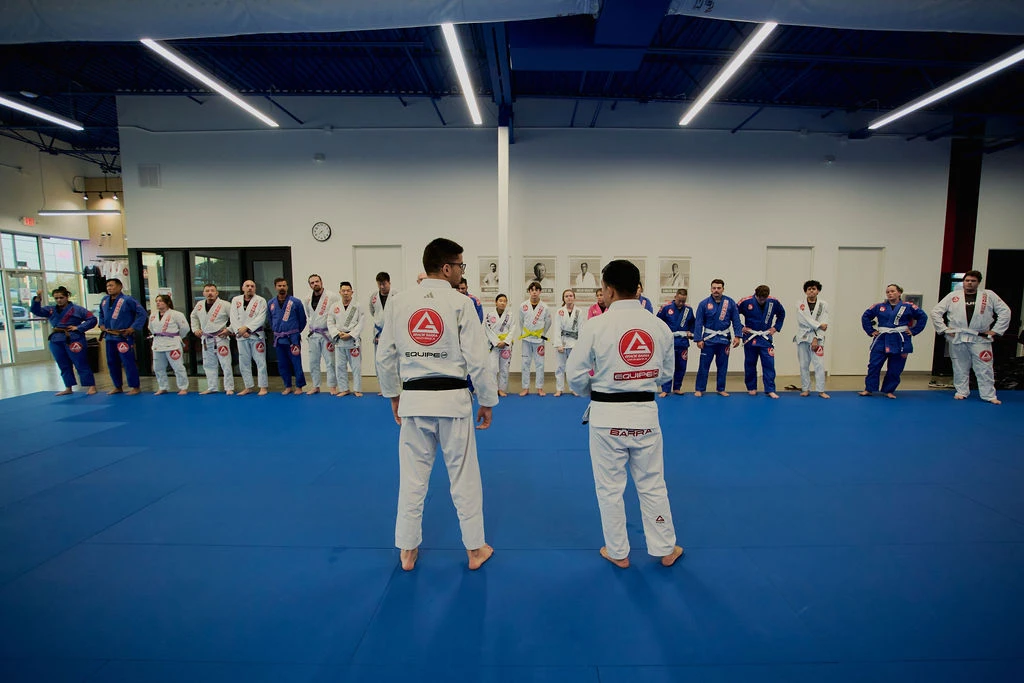
Making Progress One Class at a Time
You do not need to map out your entire comeback before your first session. Start with a schedule you can manage, stay curious during class, and make adjustments as you go. Returning to Jiu-Jitsu after a break can take patience, and each session gives you another chance to learn.
If you like tracking your progress, jot down one thing you learned and one question you want to ask next time. Keep it simple. Looking back at a few weeks of notes can help you notice changes that are hard to see from one class to the next.
DISCOVER GRACIE BARRA LITTLE ELM
CLICK HEREYour Next Chapter Starts with One Class
You may return with different goals, a different schedule, or a different level of fitness than you had before. There is room for that. Give yourself the chance to find what you enjoy about training now and build from there.
If you are in Little Elm, Aubrey, Frisco, or Oak Point and have been thinking about getting back on the mats, visit Gracie Barra Little Elm. Talk with the team about your experience, ask your questions, and take that first class when you feel ready.