Starting Jiu-Jitsu After 40 Begins with Curiosity
Starting Jiu-Jitsu after 40 can begin with a simple question: would you enjoy learning something new with other people? You do not need to arrive with a martial arts background or a plan to compete. In your first Jiu-Jitsu class, begin by understanding the lesson, meeting your training partners, and exploring whether the experience interests you.
At Gracie Barra Little Elm, our adult Jiu-Jitsu program welcomes different experience levels and includes fundamentals, self-defense, and personal development. If you live in Little Elm or Aubrey and have been thinking about trying a class, three practical choices can help you begin with confidence: enjoy being a beginner, learn with your partners, and make room for training in your actual week.
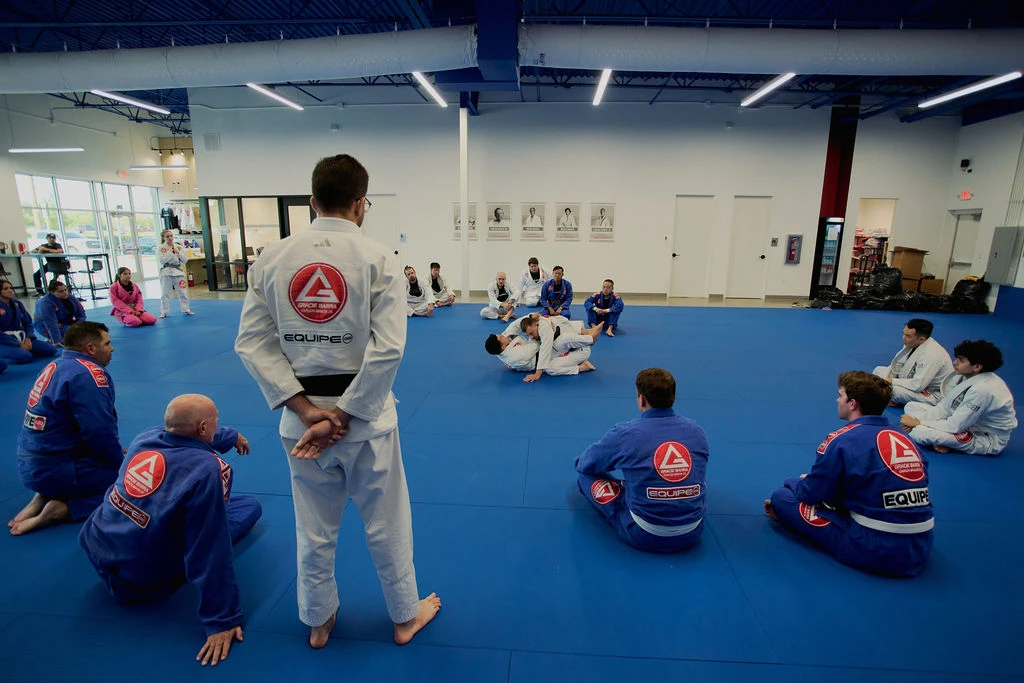
DISCOVER Gracie Barra Little Elm
CLICK HERE1. Give Yourself Permission to Be a Beginner
By your forties, you may be used to knowing how things work. At your job or at home, other people might regularly ask you for answers. When starting Jiu-Jitsu after 40, you get to take a different role: asking questions and learning without already being the expert.
Give that role a fair chance. During a demonstration, concentrate on what the exercise is trying to teach. If you miss a step, ask us to explain it again. Remembering one useful detail gives you something to build on; understanding the whole activity immediately is not the starting requirement.
Approach practice as a learning process rather than a race for results. A younger training partner may have years of experience, while someone your age may also be starting. Compare experience before drawing conclusions about age. The more useful question is what you understand today that was unfamiliar when you arrived.
Choose a reason for coming that feels personal. Learning a skill, enjoying an active hobby, or meeting people can give practice a purpose. Training without entering tournaments is also an option; you can explore regular classes before deciding whether competition interests you.
2. Build Confidence Through Partner Practice
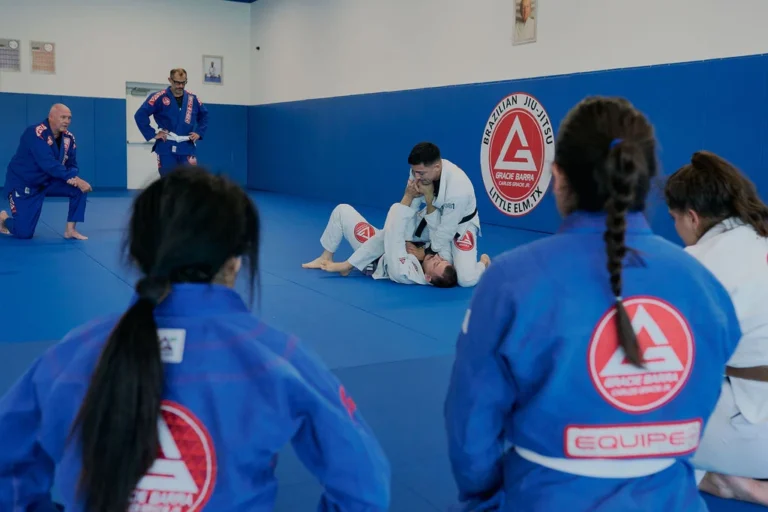
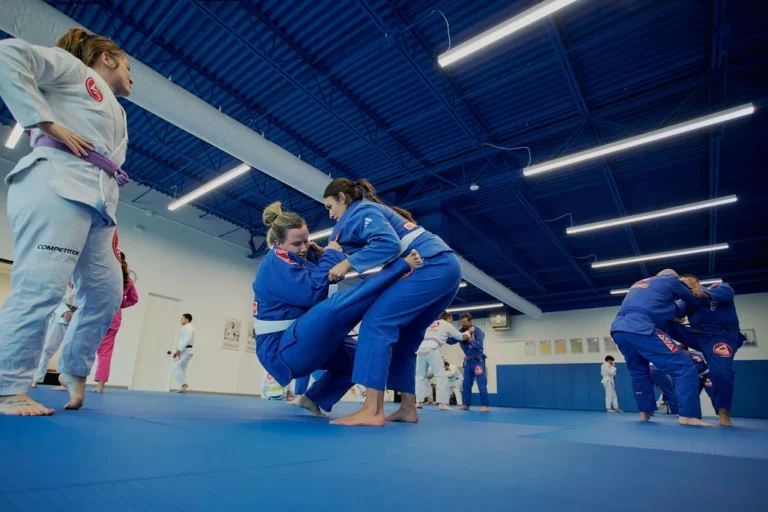
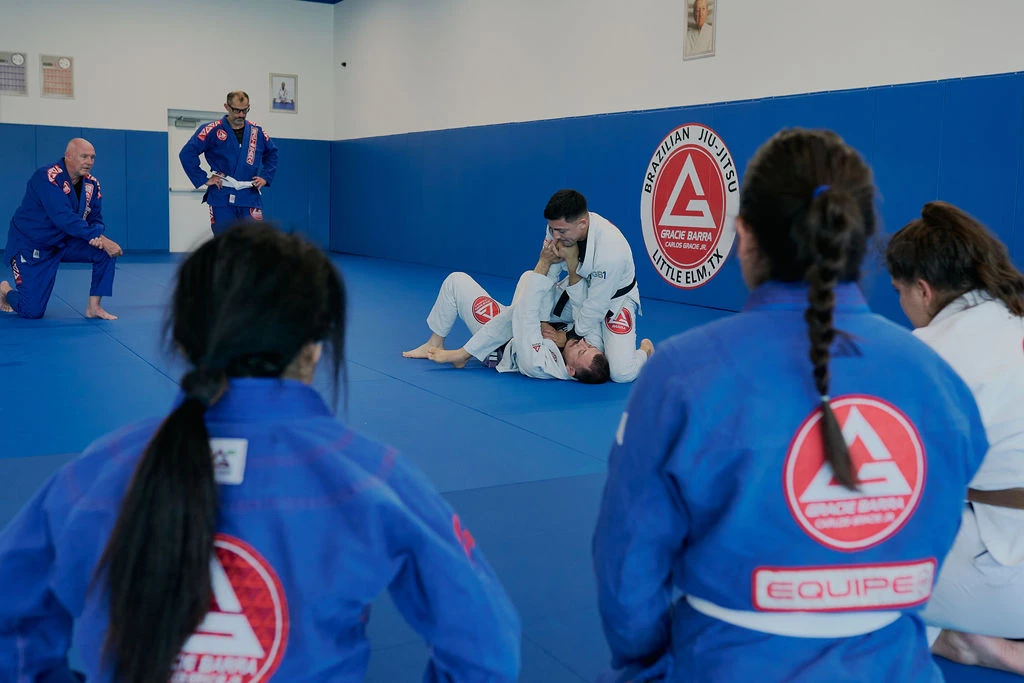
Learning with a partner is central to Jiu-Jitsu; you work together, not simply beside each other. Listening, taking turns, and helping each other follow the demonstration are part of the experience. Those exchanges give you a practical way to get to know people without needing a long introduction.
Make Taking Turns Part of the Learning
Learning with a partner includes giving each person a turn. During a drill, one person may practice the movement while the other provides the position needed for the exercise. Then you switch. Pay attention in both roles, giving the other person time to repeat the lesson rather than rushing to your next turn.
If either of you is unsure, ask us instead of guessing together. A question about where to begin or when to switch can make the exercise clearer for both people. Learning with a partner creates small opportunities to help each other improve, which can make returning to class more enjoyable.
Say What Would Help You Follow the Exercise
At Gracie Barra Little Elm, tell us that you are beginning and ask which class fits your experience. When you meet a partner, a simple “This is new to me; can we go through it slowly?” gives them useful context. Follow our instructions and speak up when you need clarification.
As you recognize more faces, conversations can grow naturally from practice: thanking someone for their patience, asking how long they have trained, or sharing what finally made sense. You do not need to know everyone on the first day to begin feeling connected.
3. Choose a Routine That Works Beyond the First Week
Starting Jiu-Jitsu after 40 means finding space for a new activity alongside work, family responsibilities, and travel. Review our current class schedule and confirm which sessions suit a beginner. Include time to arrive, change, and get home when deciding what you can realistically attend.
For example, an evening class may look convenient until you account for a regular late meeting or a child’s pickup. Another available time might require less rearranging. Choose based on the week you usually have, rather than assuming your other commitments will become easier once you enroll.
Give the plan some practical support: know where your Gi will be, when you need to leave, and who needs to know you will be unavailable. These ordinary decisions reduce the number of things you have to organize at the end of a busy day.
Prepare for Your First Jiu-Jitsu Class
Before visiting, confirm what to wear and what to bring. Our answers to common questions about starting Jiu-Jitsu cover introductory clothing and the general class format. Ask us about anything that remains unclear so your first visit begins with useful information.
Arrive with one question you would like answered, such as how beginners join partner practice. You can also tell us what attracted you to Jiu-Jitsu. A conversation about learning a new skill gives us a clearer starting point than assuming you want the same experience as every other adult.
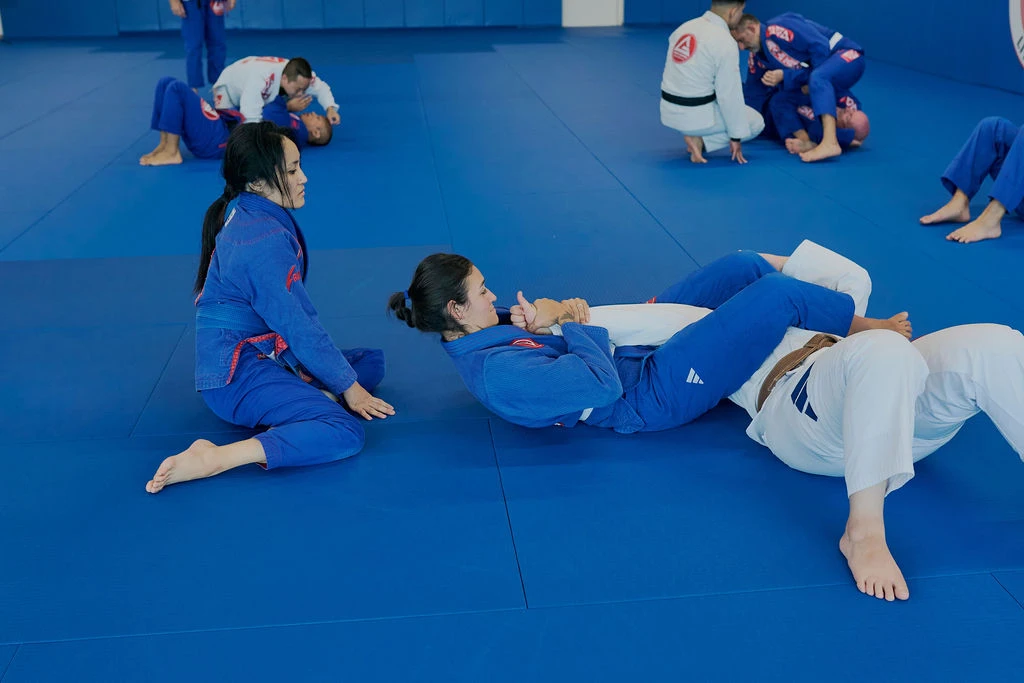
Notice What Becomes Familiar After a Few Visits
After your first Jiu-Jitsu class, you may still be figuring out where to stand and what happens next. Later, you might recognize the class sequence, remember a partner’s name, or ask a more specific question. These changes give you a concrete way to recognize growing familiarity.
Use that experience to refine your plan. Perhaps one class time fits particularly well, or a detail from the demonstration makes more sense after asking about it. Share those observations with us. They tell you more about your start than comparing yourself with someone who has trained for years.
DISCOVER Gracie Barra Little Elm
CLICK HEREYour Next Step Can Be a First Class
At Gracie Barra Little Elm, we invite you to contact us to try your first class and meet our team. Tell us that you are new, ask your questions, and explore a starting point that suits your experience.
Starting Jiu-Jitsu after 40 does not require mapping out years of training before beginning. Give yourself a chance to learn, work with others, and discover how Jiu-Jitsu might fit into this stage of your life.